
Preparing your page
Tell us about your AI camera, video management, or integration requirements, and Vivoo will help you define the right configuration and project scope.
Share your site, camera count, network infrastructure, and monitoring objectives so the Vivoo team can prepare a focused consultation.
Contact VivooThe VI-C340-AMR AI Camera automatically reads mechanical water and gas meters using Edge AI, sending data via 4G. No pipe cutting, no meter replacement, cost-effective.
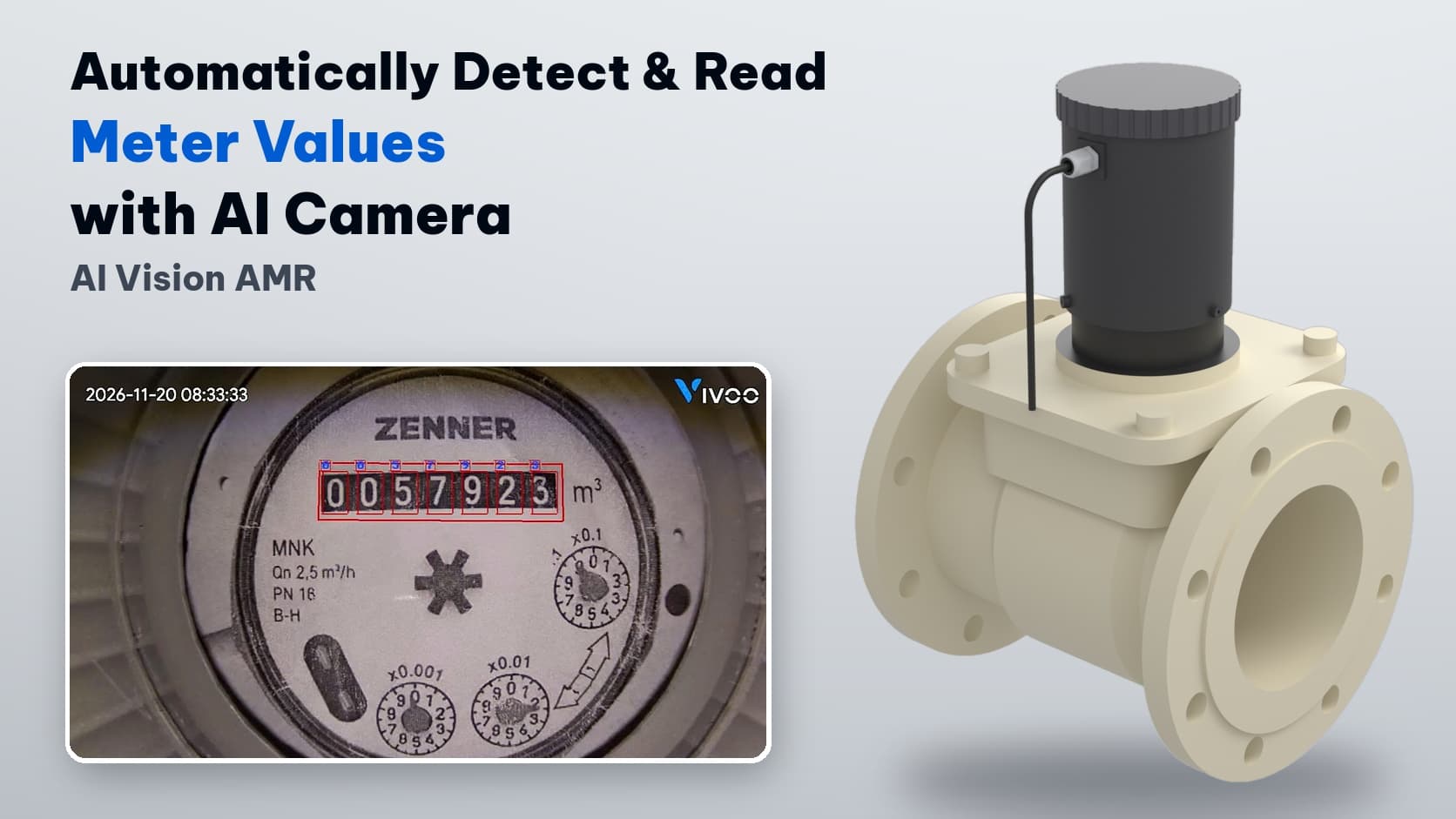
1. Challenges of traditional mechanical meter management
In factories, industrial parks, buildings, farms, or urban water/gas infrastructure, thousands of mechanical water and gas meters are still operating reliably. However, manual data collection creates many significant bottlenecks:
Labor-intensive & prone to errors: Personnel must travel to each manhole, technical box, and basement to manually record and re-enter data, easily leading to data discrepancies.
Harsh, low-light installation locations: Many meters are located in sealed boxes, deep pits, damp areas, or restricted access areas, making periodic inspection difficult.
High data latency: Only recorded monthly or weekly, making it difficult for businesses to promptly detect anomalies such as pipeline leaks, water/gas loss, or sudden consumption spikes.
Prohibitive cost of replacing with smart meters: Replacing all mechanical meters with electronic meters (Smart Meters) requires pipe cutting, system shutdown, re-calibration, and very high initial investment costs.
2. Introducing the IoT solution for meter reading with AI Camera
The VI-C340-AMR AI Camera meter reading solution (Automatic Meter Reading Camera) transforms traditional mechanical water and gas meters into smart IoT devices simply by installing a camera to directly photograph the dial — non-invasive, no mechanical intervention, no loss of meter certification.
Instead of continuously streaming video to a server for processing, which consumes bandwidth and server costs, the entire AI-based digit recognition (OCR) process is handled directly on the camera (Edge AI Computing) and only sends lightweight result messages (JSON) to the enterprise's management system.
3. Core technologies & system architecture
3.1. Independent 4G LTE Connectivity & Data Loss Prevention Queue (Offline Queue)
Flexible communication: Integrated 4G LTE modem (Quectel EG800K) alongside Ethernet / Wi-Fi connectivity, easily deployable in outdoor valve pits, remote water supply stations, or areas without LAN.
Data loss prevention: In case of 4G signal loss or server maintenance, Telemetry messages are automatically and safely stored in an offline queue on Flash memory (up to 300 records) and automatically sent in full when network connectivity is restored.
3.2. Easy Integration with All Cloud Platforms & Intuitive Management
Open standard for easy connection: Exports standard JSON data via HTTP / HTTPS (TLS 1.2 / 1.3) or TCP; readily compatible with ThingsBoard, IoT Dashboard, ERP, SCADA, or the customer's private API Server.
Management via Web UI: Allows drawing ROI, adjusting sending frequency, configuring Server endpoints, Day/Night mode, and monitoring device status directly in the browser.
3.3. System Architecture
The camera photographs the meter face in a sealed optical chamber, AI recognizes the readings directly on the device (edge), then only sends the numerical value via 4G to ThingsBoard – minimizing mobile data usage.
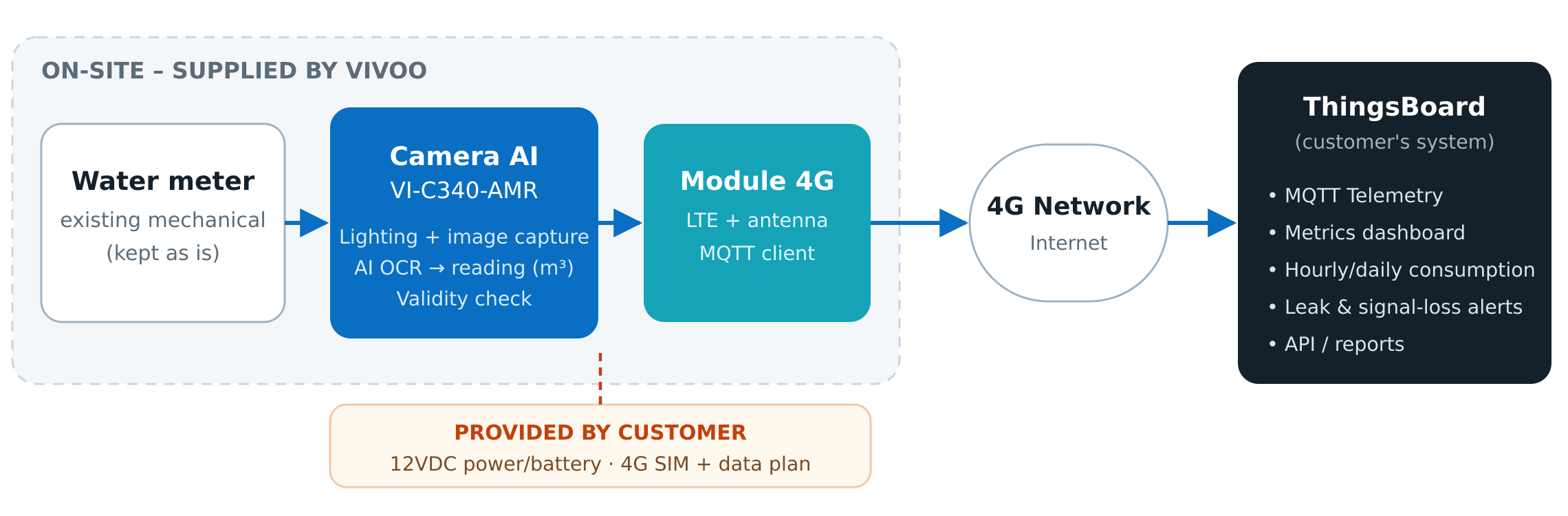
Figure 1: System architecture of the camera's operation
3.4. Model Accuracy on Validation Set
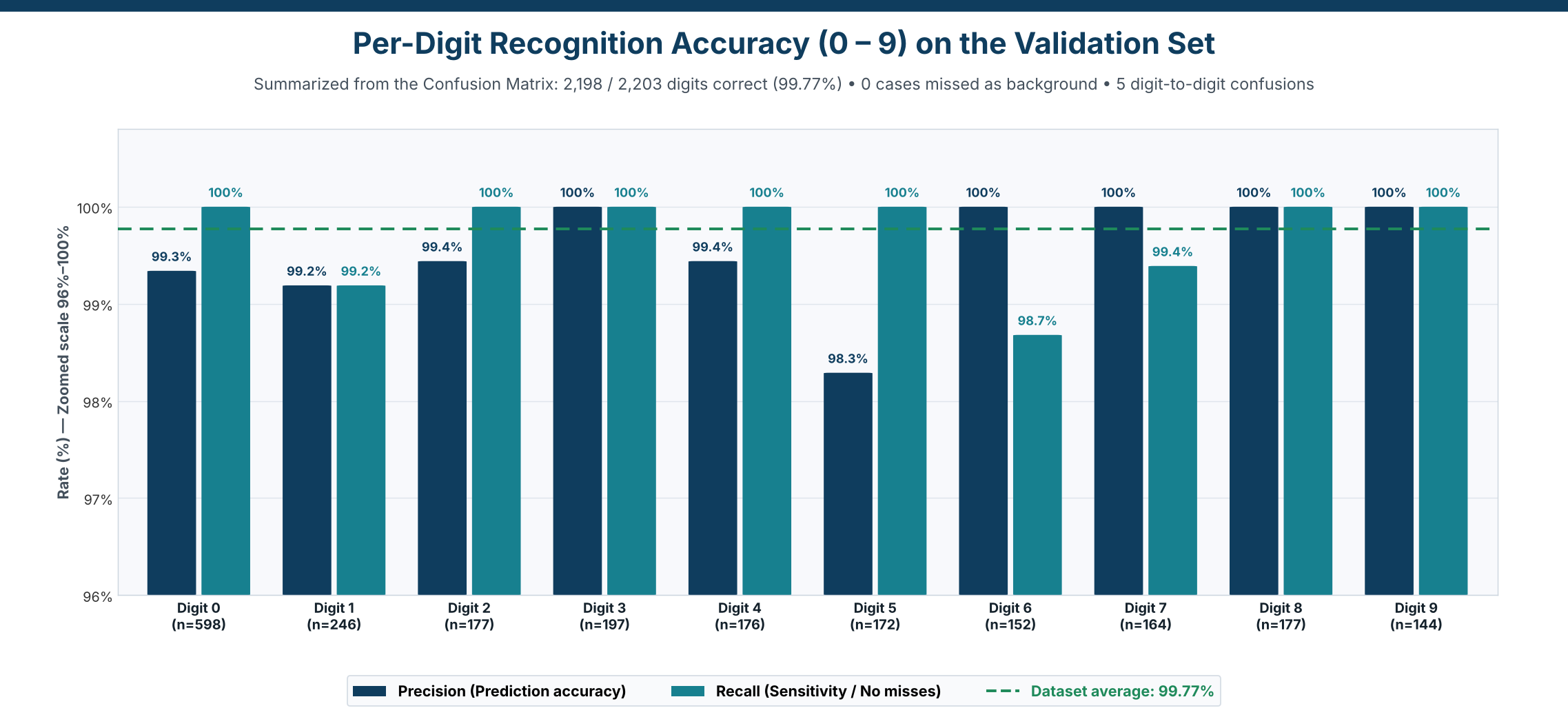
Figure 2: Comparison of Precision and Recall by digit (0–9)
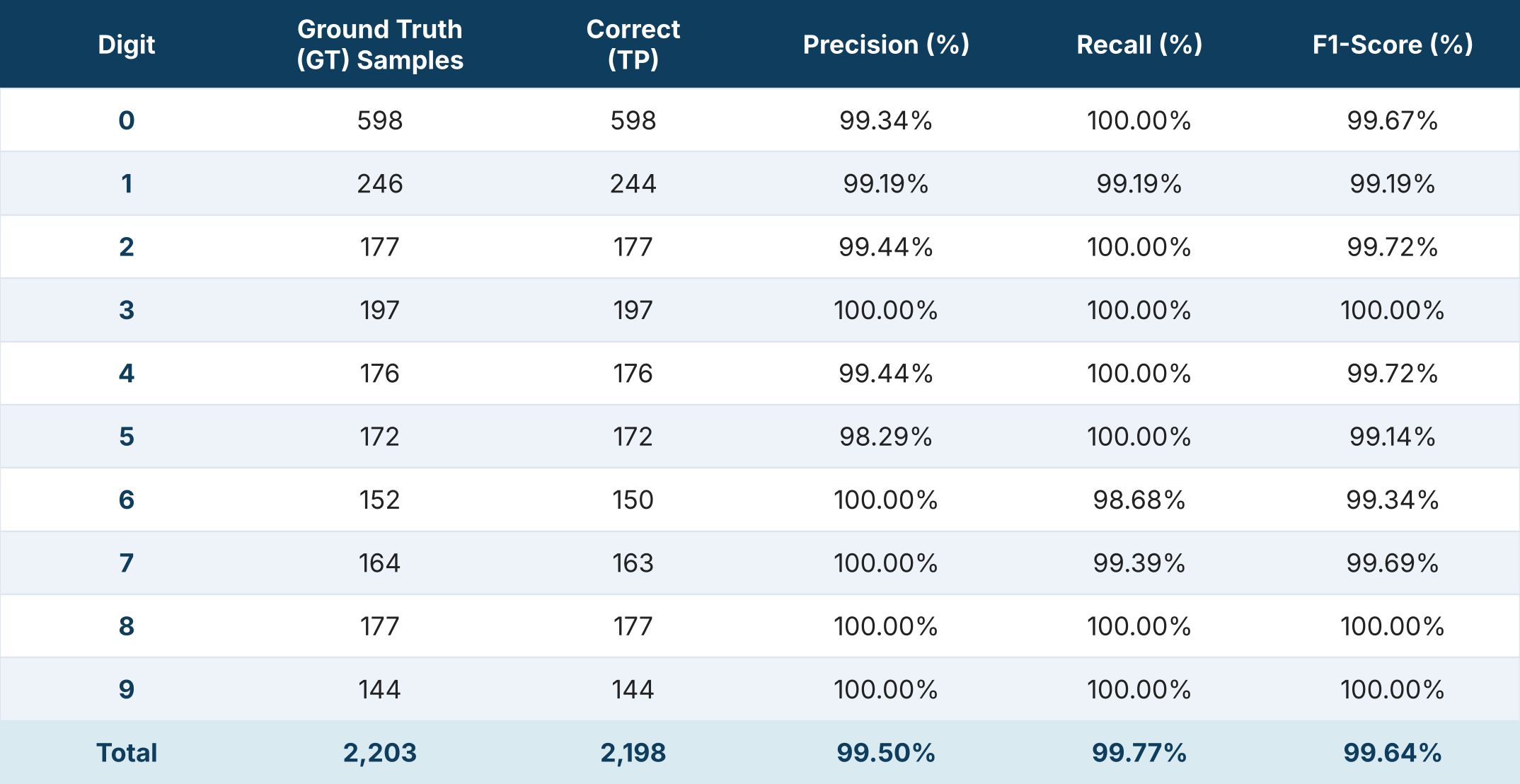
Table 1: Detailed parameters of the model's detection results
4. Hardware Design & Actual Images
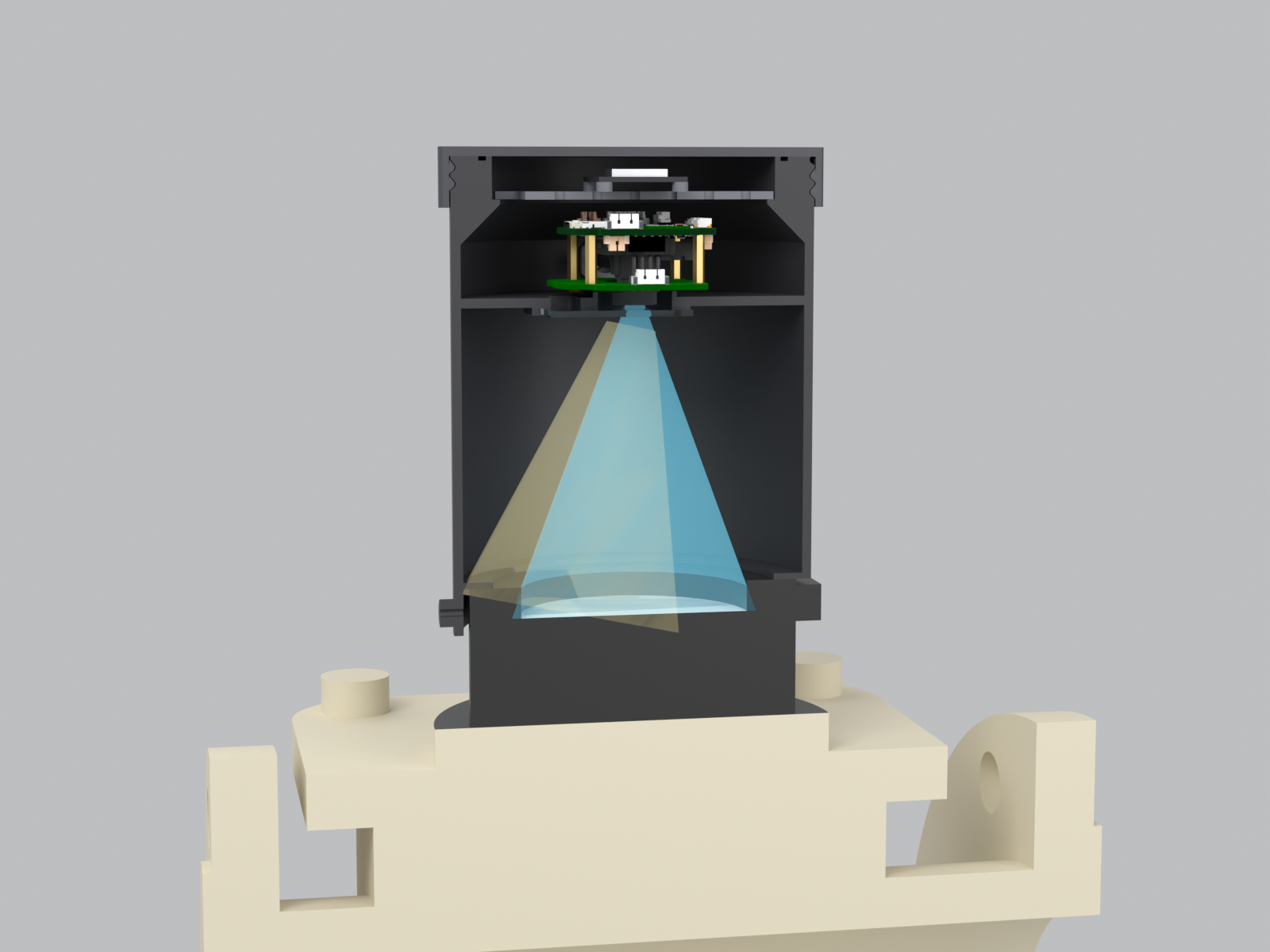
Figure 3: Simulated cross-section image of the AI Camera circuit board mounted on a bracket
VI-C340-AMR AI Camera: Camera board assembly + AI processing, fixed precisely at the center of the dial. Active illumination in a sealed chamber ensures stable images day/night, independent of sunlight, shadows, or rain.
Optical Chamber & Cylindrical Housing: Black cylindrical housing, threaded cap on top for maintenance; partition separating electronic and optical compartments; fixed focal distance, light shielding, and anti-glare on the meter glass.
3D Mounting Base according to meter model: Mounting base designed according to the actual dimensions of the meter on site.
4G Module & Power Cable: 4G LTE module with antenna.
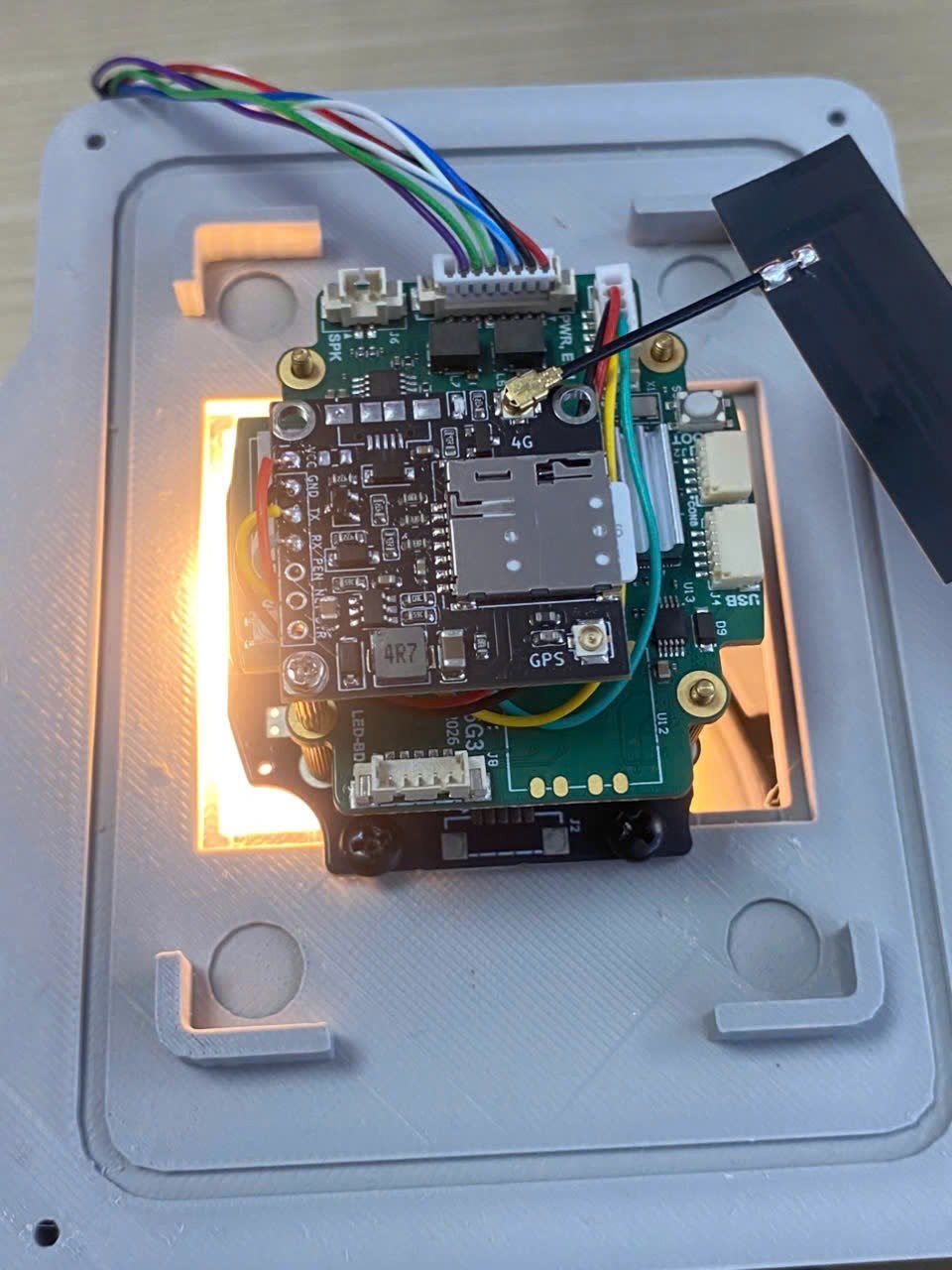
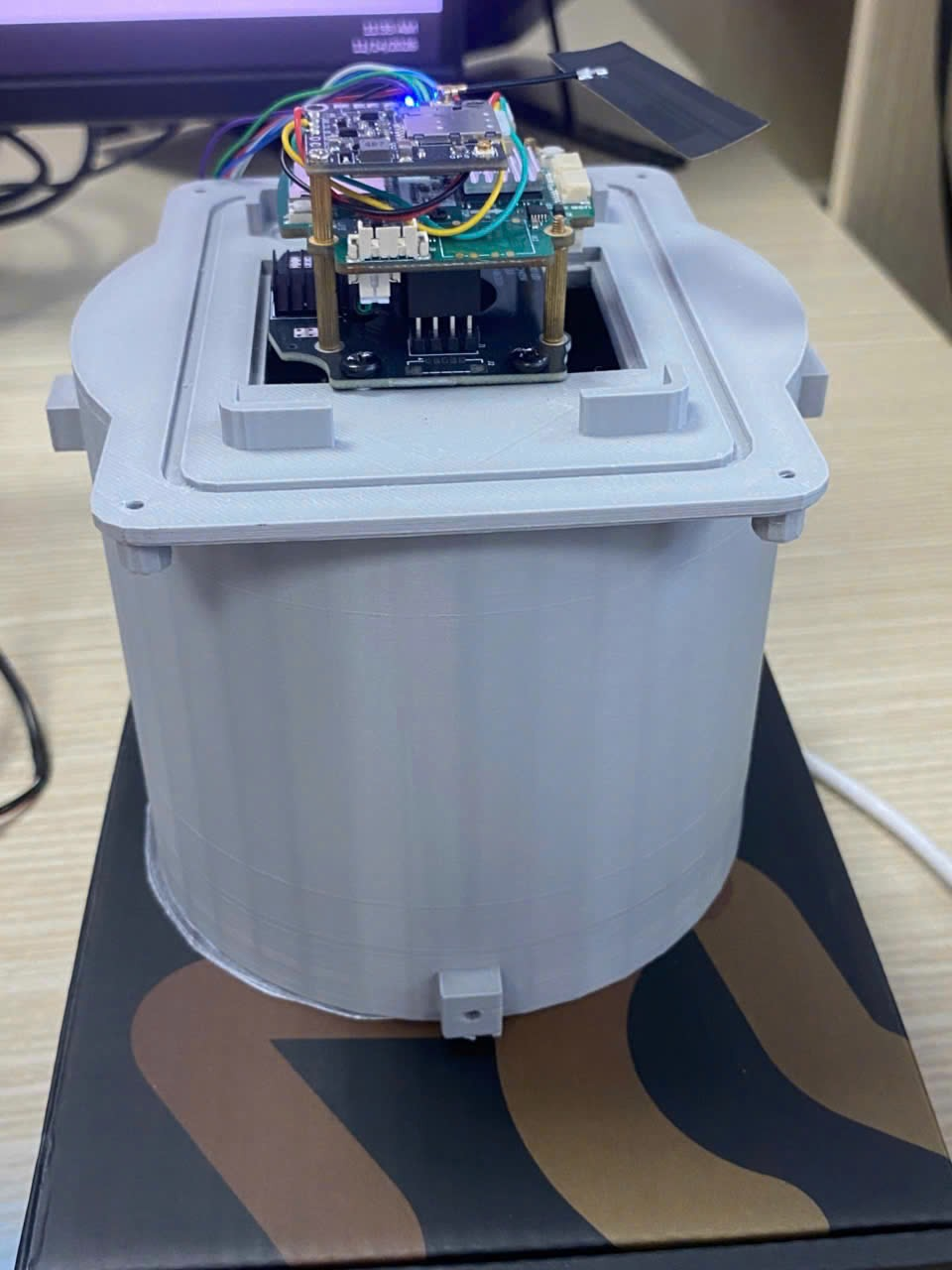
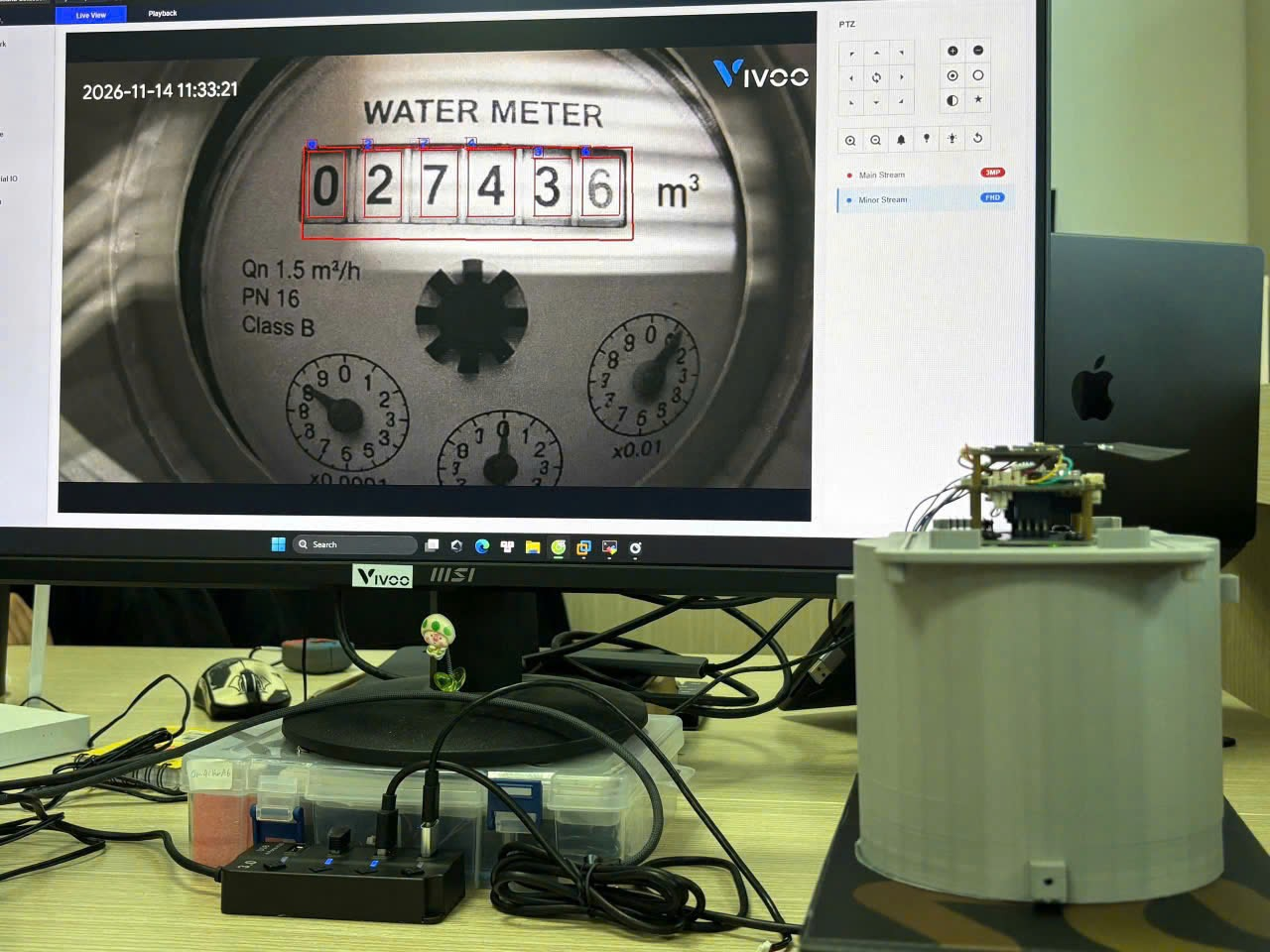
Figure 4: Images of AI camera deployment and demo for water meter reading
5. Typical Applications
Water supply companies & Urban areas: Monitoring main meters and branch meters in valve pits, apartment basements, water treatment plants.
Industrial factories & Export processing zones: Tracking production water consumption, industrial mechanical gas meters by shift/day to calculate costs and detect leaks early.
Livestock farms & High-tech agriculture: Automatically measuring water supply flow for each barn, irrigation area without complex network cabling.
Commercial buildings & F&B chains: Automating periodic water/gas meter readings for billing and centralized energy management.
Browse Vivoo AI cameras, recorders, and accessories, with the technical details you need for system selection and design.

Vivoo VI-C340-E 4MP AI Bullet IP Camera with smoke and fire detection, QR/barcode scanning, 30m IR night vision, built-in microphone, 16GB storage, and IP67 protection.

Vivoo ODM - Home WiFi Camera 3MP VVC-C3I5 is a smart AI WiFi camera solution, featuring remote monitoring, two-way audio, human detection, and flexible Cloud or SD Card storage.
Discuss your site, technical requirements, and deployment options with the Vivoo team.
Industrial technology solutions are integrated software systems, hardware, and automation platforms designed to help businesses optimize operations, manage production processes, monitor data, and improve overall operational efficiency.
Industrial IoT uses connected sensors and devices to collect data from machinery, production lines, and operating environments for monitoring, analysis, and operational optimization purposes.
A centralized monitoring system enables businesses to manage devices, operational data, and system status from a single platform, helping teams respond to issues faster and reduce management time.
Automation helps reduce manual tasks, improve accuracy, minimize operational errors, and maintain stable performance throughout the production process.