
Preparing your page
Tell us about your AI camera, video management, or integration requirements. VIVOO will work with you to define the configuration and project scope.
Share your site, camera count, network infrastructure, and monitoring objectives so the VIVOO team can prepare a focused consultation.
Contact VIVOOAutomatic QR code scanning solution using industrial cameras for fast, accurate QR reading on production lines, warehouses, and logistics

In modern manufacturing plants, product traceability via QR Code is becoming a standard. However, scanning codes with handheld devices or using only one camera often encounters many limitations when products move continuously on a conveyor belt, distances change, or the observation area is not wide enough.
Vivoo's automatic QR Code scanning solution is designed to solve this problem with an industrial camera system combined with a high-performance embedded processor, providing stable code reading directly on the production line.
The system uses 02 cameras installed symmetrically on an aluminum profile frame and connected to Orange Pi PC Plus via a specialized protective box.
Two cameras are positioned away from the controller. This creates an overlapping observation area, helping to expand the scanning range and reduce blind spots.
Deployment parameters:
Scanning area of each camera: 1.3 m
Total area to be inspected: 2.5 m
Total actual observation area of the system: 2.6 m
The two scanning areas intersect at the center to ensure no products are missed.
Thanks to this configuration, the entire working area is always covered, even when products move off-center or change position on the conveyor belt.
Products with QR Codes enter the inspection area.
The camera continuously captures images in real-time.
The QR Code recognition algorithm processes directly on Orange Pi PC Plus.
When a valid code is detected, the system decodes it and sends the data to the server or system.
If the code cannot be read or does not exist, the system can issue an alert or activate a mechanism to remove defective products.
The entire process is fully automated, requiring no operator intervention.
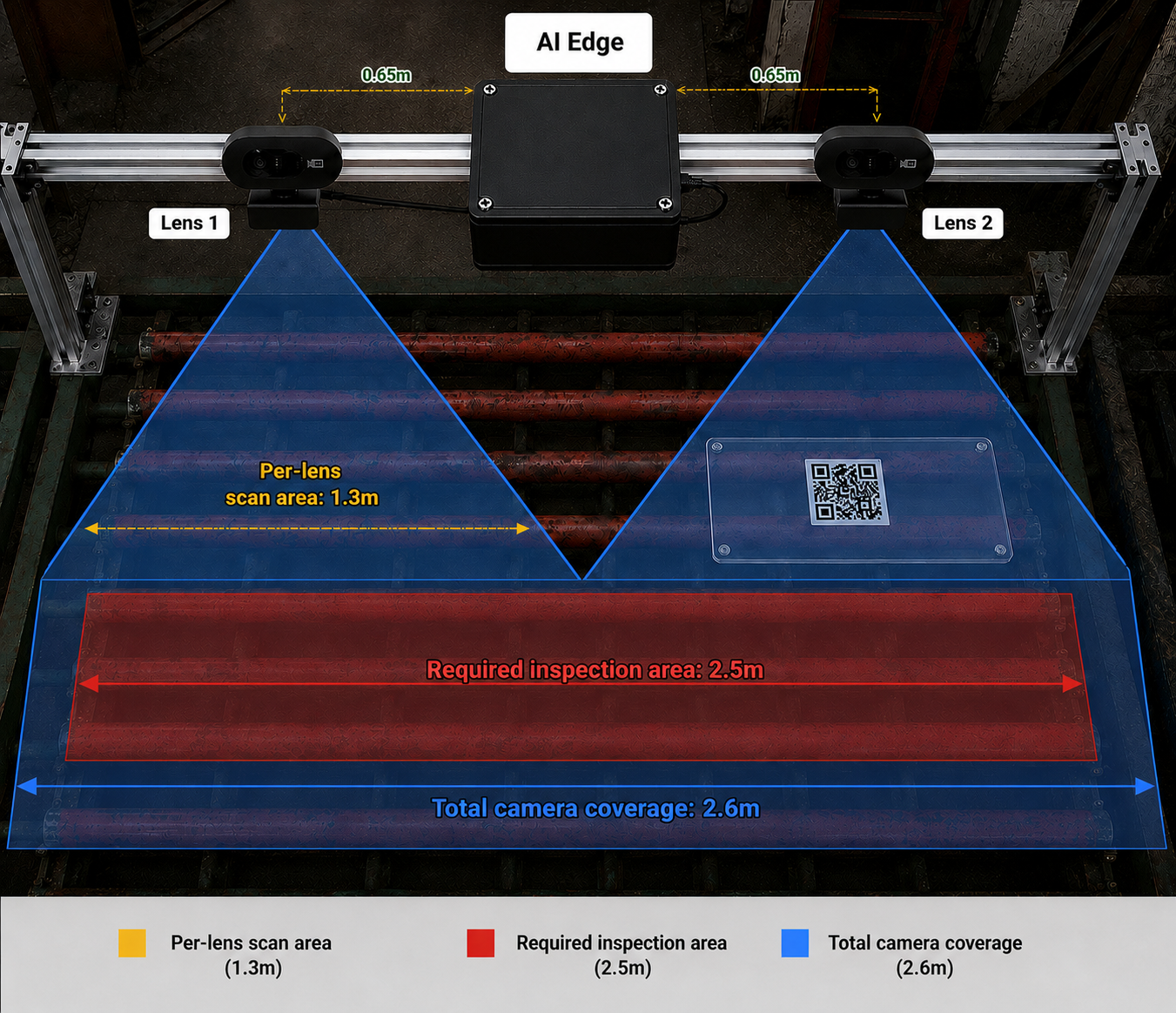
Full Coverage of the Scanning Area
Two cameras are optimally positioned to create a wider observation area than actual requirements, helping to minimize blind spots and increase successful reading rates.
High-Speed QR Code Reading
The system can operate continuously on the production line without needing to stop products for scanning.
High Reliability
The use of two cameras increases recognition capability in cases where the QR code is tilted, misaligned, or partially obscured.
Industrial Design
Sturdy aluminum profile frame.
Camera fixed with a specialized bracket.
Orange Pi is placed in a protective box against impact and dust.
Easy maintenance and component replacement.
Steel manufacturing plants
Glass factories
Industrial wood
Packaging
Electronic components
Logistics
Smart warehouse
Packaging lines
Scan QR codes to update fabric code data during the production process
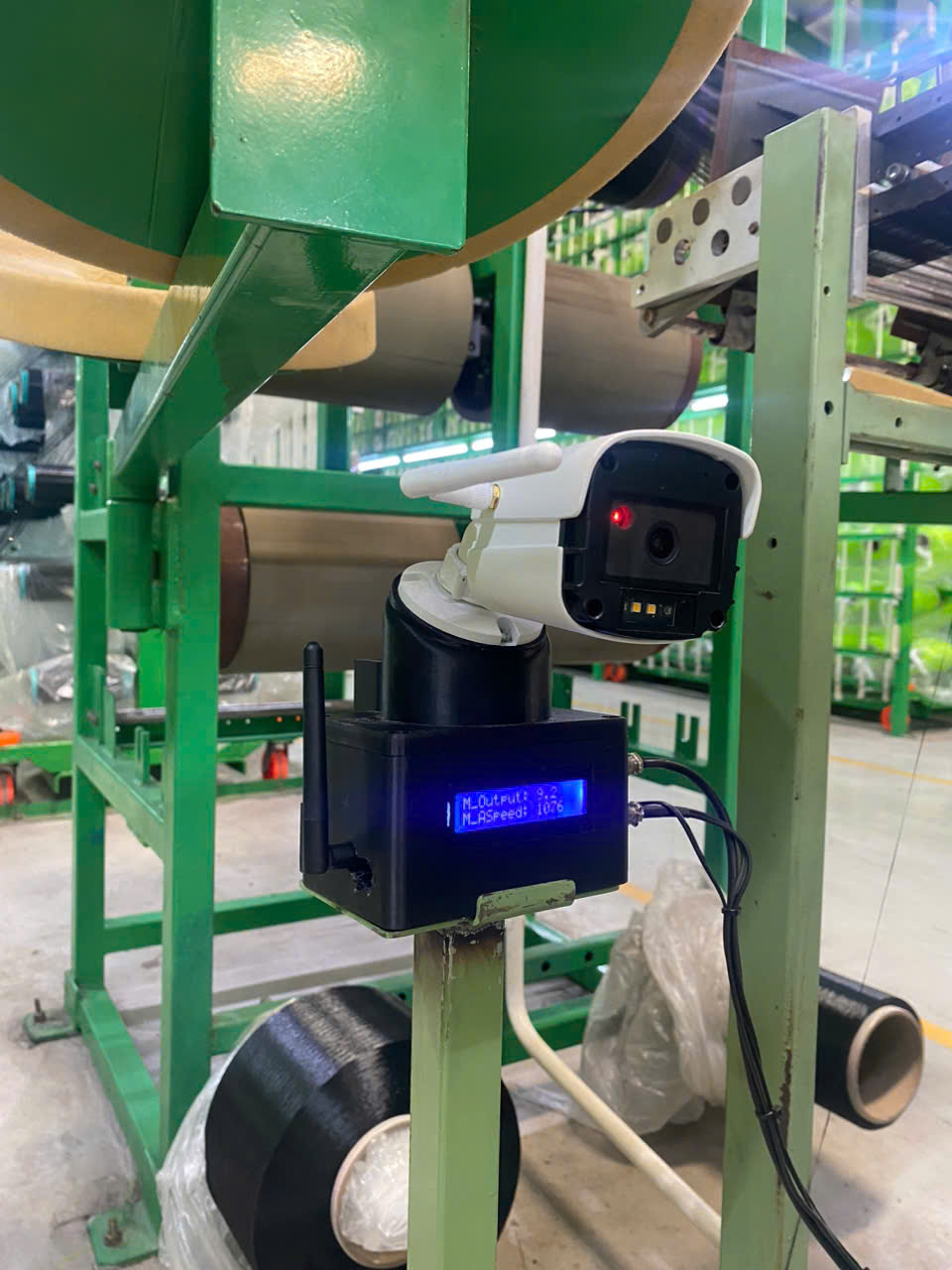
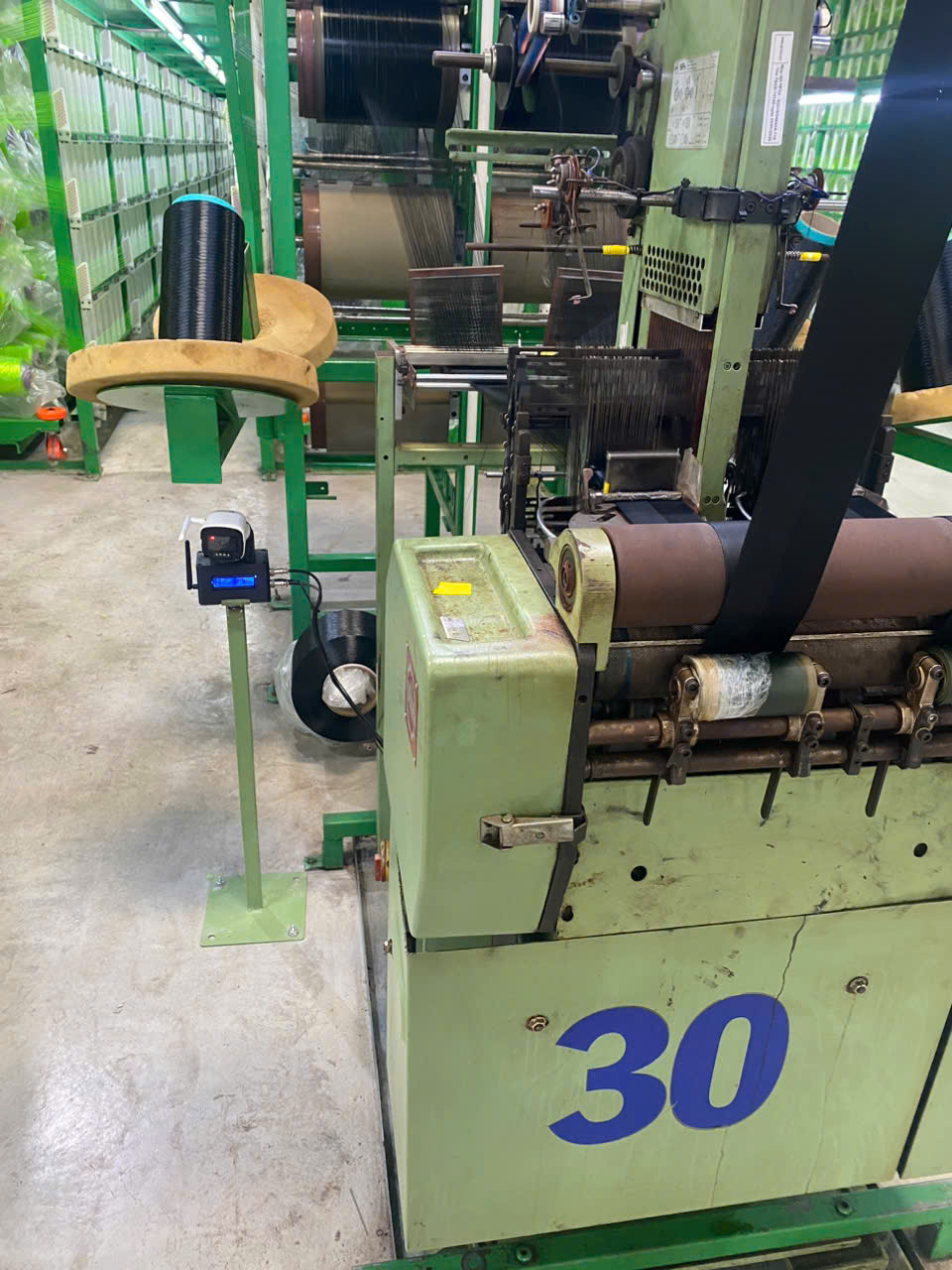
Browse VIVOO AI cameras, recording devices, and accessories with technical details to support system selection and design.
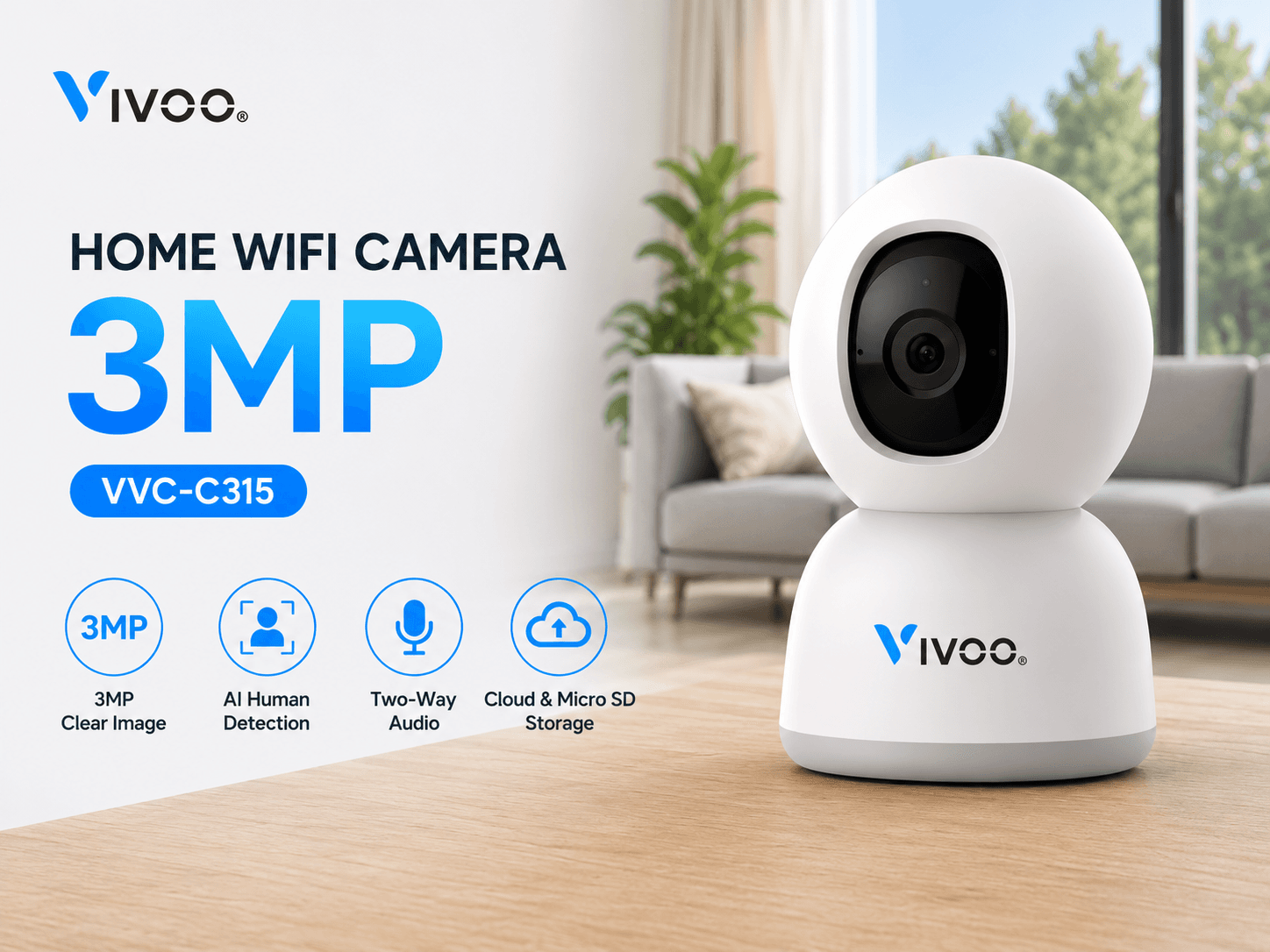
Vivoo ODM - Home WiFi Camera 3MP VVC-C3I5 is a smart AI WiFi camera solution, featuring remote monitoring, two-way audio, human detection, and flexible Cloud or SD Card storage.
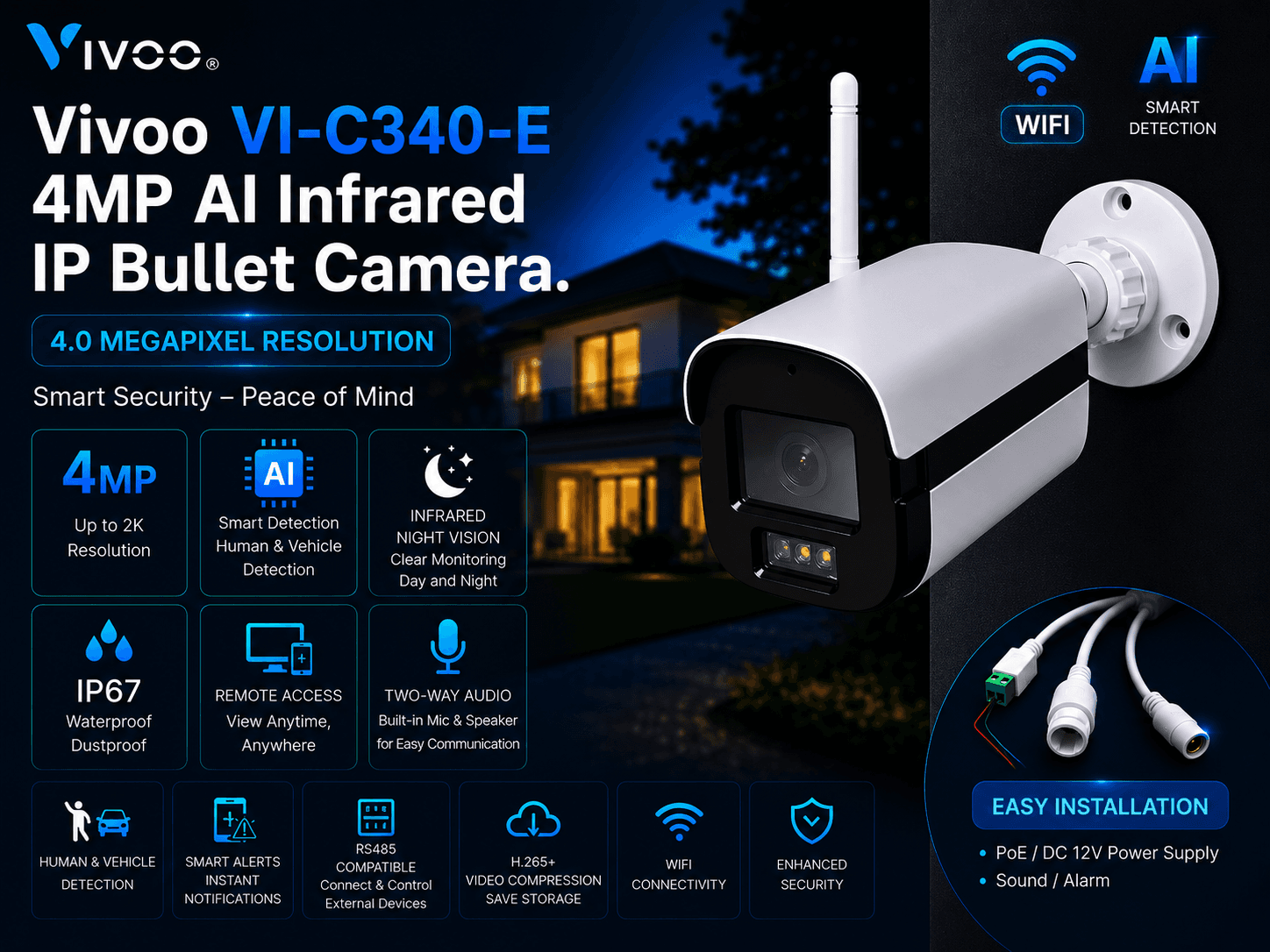
Vivoo VI-C340-E 4MP AI Bullet IP Camera with smoke and fire detection, QR/barcode scanning, 30m IR night vision, built-in microphone, 16GB storage, and IP67 protection.
Discuss your site, technical requirements, and deployment options with the VIVOO team.
Industrial technology solutions are integrated software systems, hardware, and automation platforms designed to help businesses optimize operations, manage production processes, monitor data, and improve overall operational efficiency.
Industrial IoT uses connected sensors and devices to collect data from machinery, production lines, and operating environments for monitoring, analysis, and operational optimization purposes.
A centralized monitoring system enables businesses to manage devices, operational data, and system status from a single platform, helping teams respond to issues faster and reduce management time.
Automation helps reduce manual tasks, improve accuracy, minimize operational errors, and maintain stable performance throughout the production process.